
Work time is counted according to time and time zones that are filled with computers of your employees.
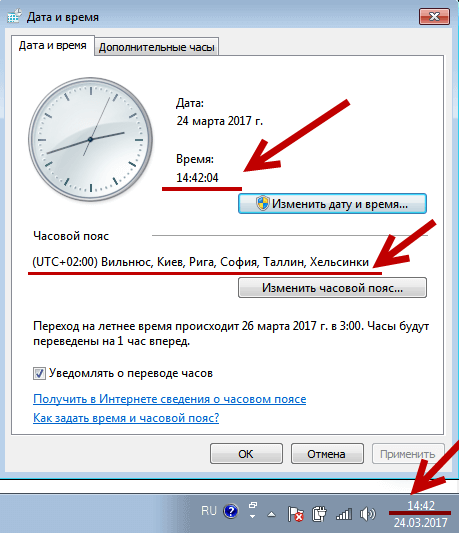
Let’s say you have two offices in different countries. Time difference, for example, one hour. According to the staff of one office on computers, there is one time, another office.
At this point, you set up a working graph from 9: 00 to 18: 00 for all employees.
In that case, the system will lead to a fixed-time accounting based on these settings in independence from where the time zone is the staff.
The difference will only be in statistics. If you want to test the state of affairs, for example, at 11: 30 in the morning, it might be that in any country, employees are working for about two hours, and on the other, the working day hasn’t started, according to the data, there is no data.
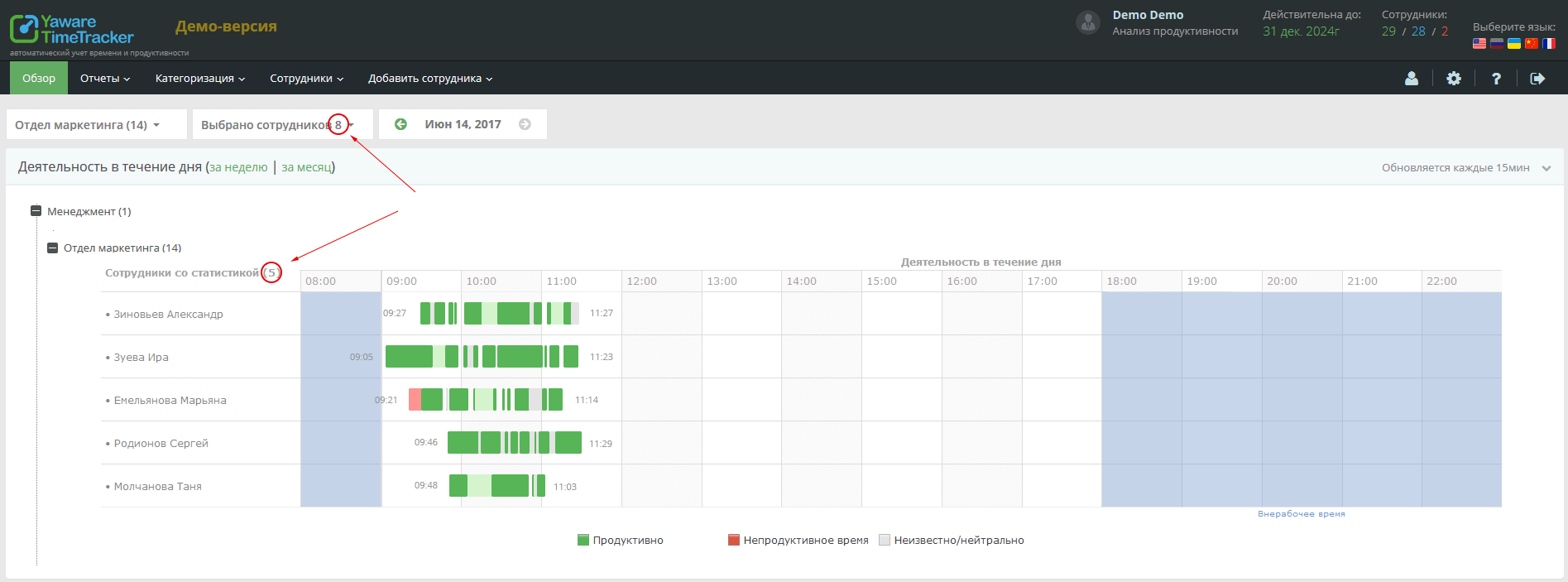
With the statistics re-enabled, for example at 5: 00 p.m., you’ll see that there are social statistics that are in the time zone at 2 o’clock.
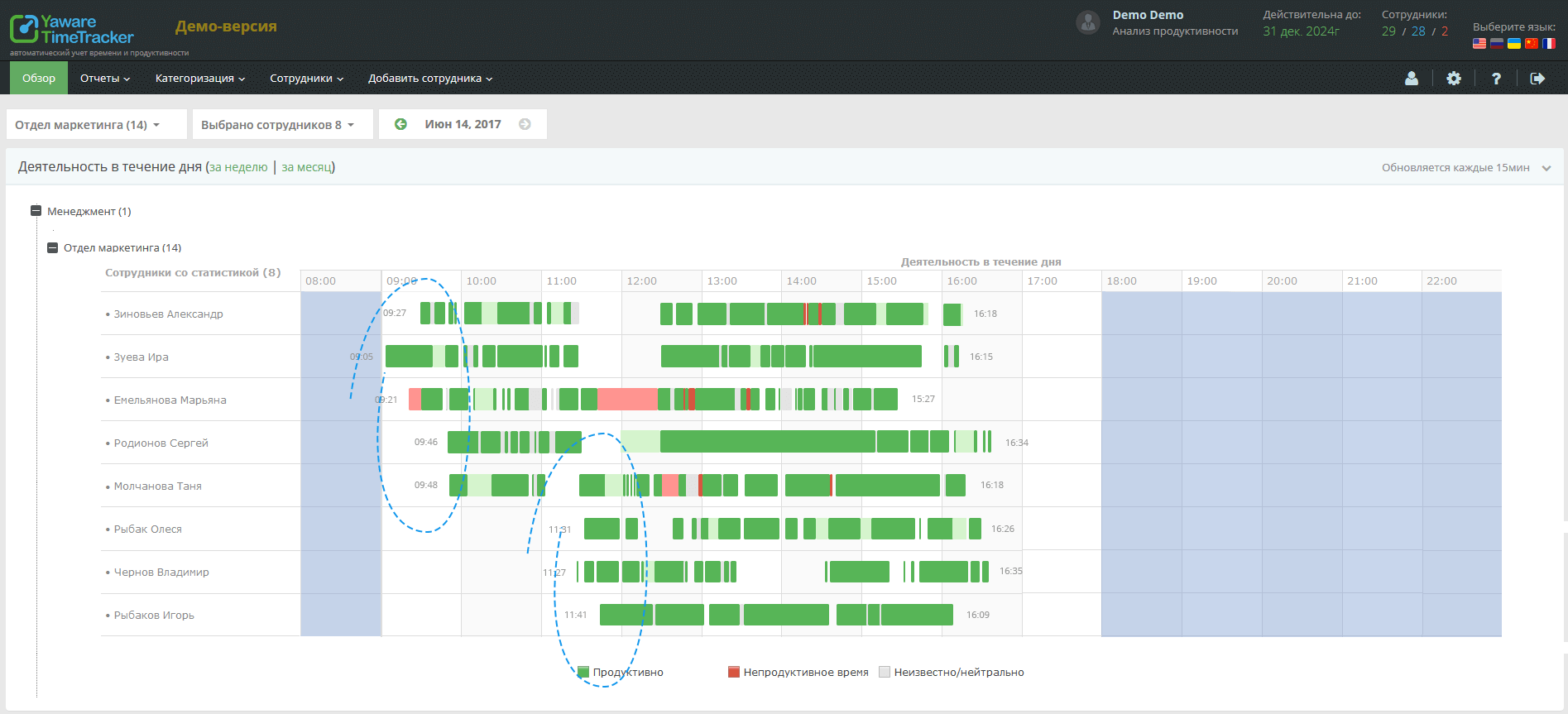
The difference in time could be even bigger. This is what reports might look like if your staff is running in time zones with a difference in time at 4 o’clock.
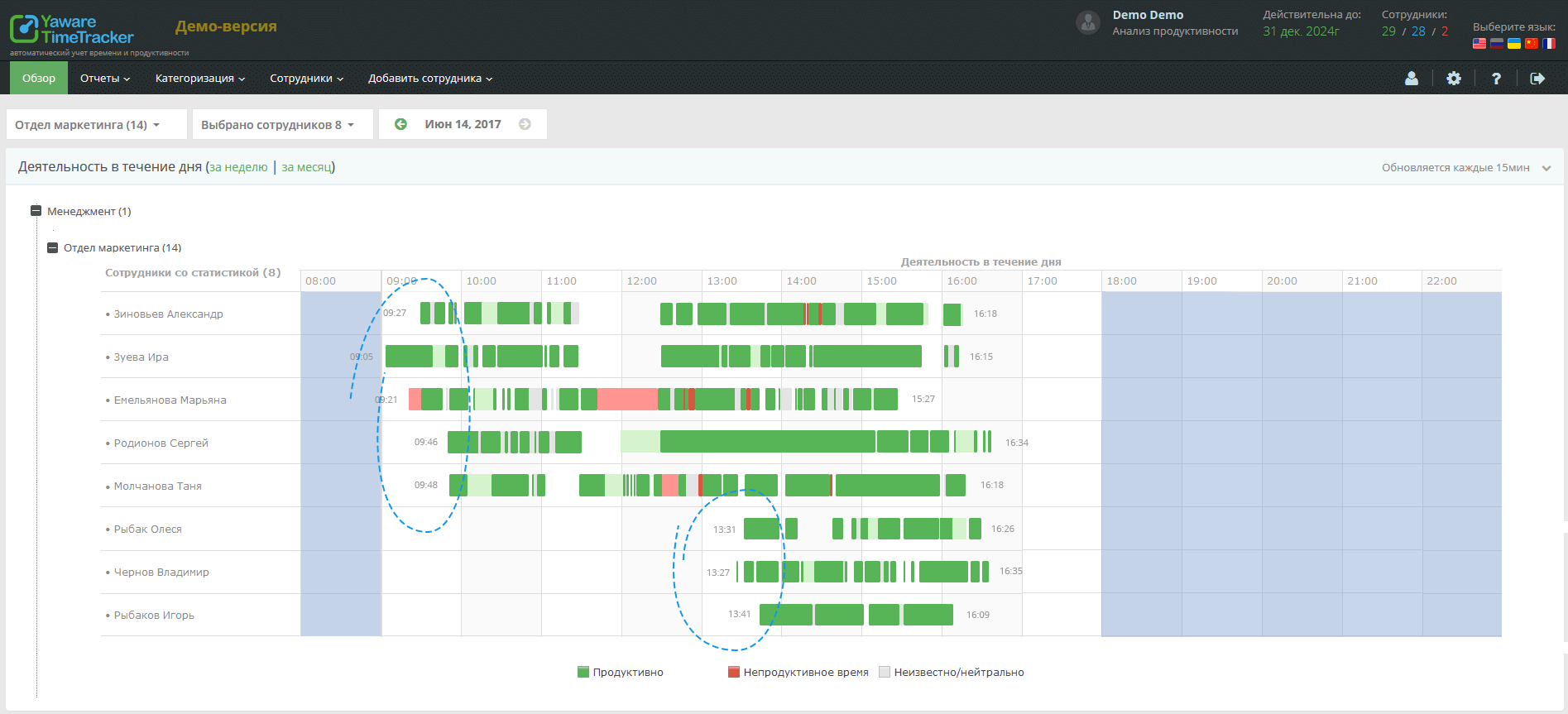
If your employees work in one time zone, there’s no difference over time in statistics.